




















Chicago's pre-seed pool, by the numbers
Chicago carries a noticeably thinner pre-seed bench than its seed-stage one. The database shows roughly 100+ investors tagged to pre-seed in the city, compared to 400+ at seed, 250+ at early stage venture, and 80+ at Series A. That gap is bigger than what you'll see in most Tier 1 markets, and it tells you something practical: a lot of Chicago capital shows up once a company has some proof points, not before.
That doesn't mean pre-seed money isn't here. It means the investors who do write pre-seed checks in Chicago tend to be the same names who follow on at seed, so a strong first meeting can turn into a longer relationship rather than a one-time check. If you're raising a true pre-seed round here, expect a shorter list of realistic targets than a coastal founder would have, and expect each of those targets to matter more.
How Chicago stacks up against other pre-seed hubs
Nationally, pre-seed capital clusters hard around a handful of cities. San Francisco alone carries over 1,200 pre-seed investors in the database, New York City has 950+, and Los Angeles sits around 250+. Chicago's 100+ puts it well behind those three, but roughly in the same range as Austin's 125 and ahead of plenty of other major metros once you get outside the coasts. That's a useful way to set expectations: you won't out-network a San Francisco founder on sheer investor count, but you're not fundraising in a ghost town either.
What that gap really means in practice is fewer duplicate conversations. In San Francisco, ten different pre-seed funds might all pass on the same pitch for the same reason, and you'd barely notice because there are hundreds more to try. In Chicago, a pass from one of the more active names carries more information, because there's less noise to drown it out. Use that: if two or three serious Chicago investors give you the same piece of feedback, that's a signal worth acting on before your next meeting, not after your twentieth.
Who's writing pre-seed checks in Chicago
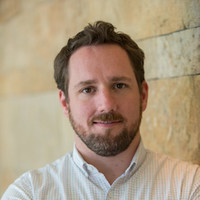
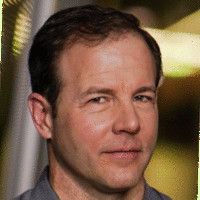
Across Chicago's investor base overall, venture capitalists and individual angels make up the largest groups, with a smaller but active set of private equity investors, micro VCs, and accelerators rounding things out. Eric Lefkofsky, the Groupon and Tempus AI co-founder who also backs early-stage companies through Lightbank, is one of the city's most visible multi-stage investors. Troy Henikoff, managing director at M25, is another familiar name in Chicago's early-stage rounds; M25 focuses specifically on Midwest-headquartered tech startups, which makes it one of the more predictable stops for a local pre-seed founder.
Beyond the recognizable names, most of Chicago's pre-seed activity comes from individual angels and smaller funds who invest close to home. That's a different dynamic than the coasts, where pre-seed checks increasingly come from institutional micro-funds. In Chicago, a warm introduction from another founder or a local accelerator still carries real weight. You can browse the full, current list of Chicago-tagged investors in AngelMatch's database and filter down to the ones actively writing pre-seed checks.
Chicago's accelerator and program scene also feeds a fair amount of pre-seed activity, even when the check itself comes from somewhere else. Programs like Techstars Chicago and mHUB (which leans hardware and physical product) put founders in front of local investors early, sometimes months before a formal round. If you can get into one of these programs, treat it as much as a fundraising channel as a curriculum. The demo day introductions tend to matter more than the training itself for a founder who already knows how to build.
What Chicago pre-seed investors actually look for
Chicago angel checks follow the same general range you'd see anywhere: usually $25,000 to $500,000, with venture checks running from $2 million up into the tens of millions once a company reaches later stages. Dilution on a typical early round lands around 15% to 25%, same as most U.S. markets. What's different in Chicago is the emphasis: local investors lean toward capital-efficient businesses with early revenue or a strong signed pilot, more than a growth story built on projections alone.
B2B software, fintech, and enterprise software show up constantly in Chicago's investor base, which tracks with the city's roots in logistics, insurance, and financial services. If your startup touches supply chain, payments, or enterprise workflows, you're pitching into a market that already understands the problem. If you're building something more consumer-facing, expect more questions about unit economics early, since that's less familiar territory for a lot of local checks.
This is also a market where the fact that McDonald's, United Airlines, and a long list of major banks and insurers are headquartered nearby actually helps you. A lot of Chicago's angel investors spent years inside those companies before writing checks of their own, and they can often get you a first enterprise pilot faster than a coastal introduction could. If your pitch includes "we're already in conversation with a Chicago-based enterprise customer," that line tends to land harder here than almost anywhere else in the country.
Chicago's funding climate right now
Chicago-area startups raised about $2.6 billion in venture capital in 2025, down from roughly $3.3 billion in 2024, with deal count sliding from about 350 financings to around 311, according to Crain's Chicago Business. That's a real pullback, and it's part of a bigger pattern: most of the national rebound in venture funding last year went into a small number of AI megadeals concentrated on the coasts, so a mid-size market like Chicago didn't see the same lift.
For a pre-seed founder, that context matters more than it might seem. Less capital chasing later rounds means investors at every stage are getting pickier, and pre-seed is no exception. It's a good year to come in with a tight, specific ask and a clear plan for what the money gets you to next, rather than a big round built on momentum alone.
There's a silver lining buried in those numbers too. A pullback in mega-round activity doesn't shrink the number of small pre-seed checks nearly as much as it shrinks the number of nine-figure late-stage rounds, since those checks were never competing for the same dollars in the first place. Chicago's biotech and crypto infrastructure companies still closed real rounds through the downturn, which tells you the city's investors haven't stopped writing checks, just gotten choosier about which stories they believe.
How to actually get in front of them
Chicago's investor community is smaller and more relationship-driven than San Francisco's, which cuts both ways. It's harder to cold-email your way in, but once you're in the room with one investor, referrals to two or three others tend to follow fast. Local accelerators, University of Chicago and Northwestern alumni networks, and founder communities like the ones built around Chicago Ventures and M25 portfolio companies are where a lot of these introductions start.
Keep your outreach organized from the start. A missed follow-up with one of Chicago's roughly 100 pre-seed investors is a bigger loss here than it would be in a market with ten times as many targets, so track every conversation instead of relying on memory. Tools like a fundraising CRM make that easier once your list of warm contacts starts to grow past a handful of names.
Chicago won't hand you a hundred pre-seed meetings the way San Francisco might, but the investors who are here write real checks and tend to stick around for the next round. Build your list carefully, lead with whatever traction you have, and use the time you save on searching to actually get in front of the people on it.
 Pre-seed investors


